
Respuesta directa
CEO and REACH trends create real SMT assembly risk because compliance-driven material substitutions alter solder paste chemistry, flux activation, PCB surface finishes, and component metallurgy, which directly impacts wetting, reflow profiles, and solder joint reliability. Evaluating this risk requires a BOM-level review of material declarations, verification against actual substance lists, and process validation before production. Treat compliance as a technical constraint that changes assembly parameters, not just a paperwork checkbox.
Why CEO and REACH Compliance Is an SMT Process Issue
The Conflict Minerals Regulation (CEO) and the EU REACH regulation are often viewed as supply chain documentation exercises. In practice, they force material changes that ripple directly into SMT process behavior. When a supplier removes a restricted substance—whether it is lead in solder, certain phthalates in flux, or a specific flame retardant in laminate—the replacement material rarely behaves identically under reflow conditions.
For a PCB assembler, the risk appears in several concrete forms:
- Solder paste flux chemistry changes: A REACH-compliant flux may have a different activation temperature, requiring a reflow profile adjustment. If the profile is not revalidated, you may see poor wetting, solder balls, or voiding in BGA joints.
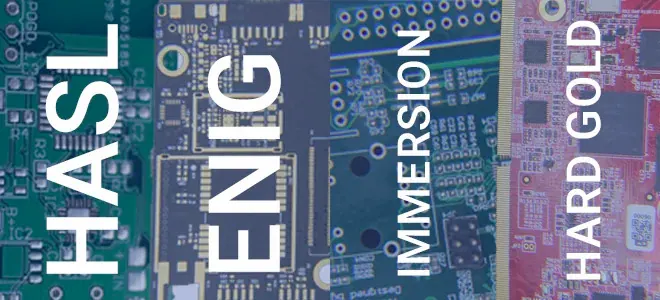
- Surface finish substitutions: Moving from HASL to ENIG or from ENIG to a REACH-compliant alternative changes solderability, coplanarity, and the intermetallic layer formed during reflow.
- Laminate and solder mask changes: Restricted flame retardants or plasticizers in the PCB substrate can alter outgassing behavior, which affects void formation in thermal pads and BGA packages.
- Component metallurgy changes: Termination finishes on passive components and leadframes on ICs may shift to comply with CEO smelter requirements, affecting solder joint integrity.
The key point is that CEO and REACH compliance is not a static certification. It is a dynamic constraint that changes as substance lists are updated and as suppliers adjust their material sourcing. An assembly process validated with one material set may fail with a compliant substitute.
Building a BOM-Level Compliance Review Before Quoting
The most reliable way to evaluate SMT assembly risk from CEO and REACH trends is to perform a structured review at the BOM level before requesting a quote. This means going beyond the component list and examining every material that touches the assembly process.
What to Review in the BOM
| Material Category | CEO/REACH Relevance | SMT Process Impact |
|---|---|---|
| Solder paste (alloy and flux) | Lead exemptions, flux chemicals, phthalates | Wetting, reflow profile, voiding, solder balling |
| PCB laminate (FR-4, high-Tg, etc.) | Flame retardants, plasticizers | Outgassing, delamination risk, impedance stability |
| PCB surface finish (HASL, ENIG, OSP, etc.) | Nickel, gold, lead, other restricted metals | Solderability, coplanarity, intermetallic formation |
| Solder mask | Photoinitiators, solvents | Adhesion, coverage, insulation resistance |
| Component terminations | Tin, tantalum, tungsten, gold sourcing | Solder joint integrity, whisker risk |
| Flux and cleaning agents | VOC content, restricted solvents | Residue, ionic contamination, reliability |
For each line item, request the manufacturer part number (MPN) and the corresponding material declaration. Do not rely on a generic "RoHS compliant" or "REACH compliant" statement. Ask for the specific declaration format, such as IPC-1752, which provides a structured way to report substance data.
Practical Review Steps
1. Cross-reference the REACH candidate list: Check each declared substance against the current SVHC (Substances of Very High Concern) candidate list. The list changes regularly, so use the latest version. 2. Verify CEO smelter status: For tin, tantalum, tungsten, and gold, confirm that the smelters in the supply chain are on the conformant smelter list published by the Responsible Minerals Assurance Process (RMAP). 3. Compare declarations to the actual BOM: A common error is accepting a declaration for a similar part number or a generic family declaration. Verify that the declaration matches the exact MPN and revision level in your BOM. 4. Check the PCB stackup: The laminate material, copper weight, and surface finish are all part of the PCB fabrication specification. These materials are subject to REACH, and changes here affect the assembly process.
Verifying Declarations with Material Data, Not Just Supplier Letters
Supplier letters are a starting point, not a verification method. A letter stating "our products comply with REACH" does not tell you which substances are present, in what quantities, or whether the compliance status applies to the specific lot you are purchasing.
What to Request Instead
- Full material declarations (IPC-1752): These provide substance-level data for each material in the product. Review them for restricted substances and for any substances on the candidate list.
- Test reports: For critical materials like solder paste, request test data for lead, cadmium, mercury, hexavalent chromium, PBB, PBDE, and phthalates. These are the most commonly restricted substances in SMT materials.
- Conflict minerals reporting template (CMRT): This documents the smelters and refiners in the supply chain for tin, tantalum, tungsten, and gold. Verify that the smelters listed are conformant.
A Practical Example
Consider a BGA package with a tin-silver-copper (SAC305) solder ball. The solder ball alloy is the same, but the flux in the solder paste changes to a REACH-compliant formulation. The new flux may have a lower activation temperature, which means it wets earlier in the reflow profile. If the profile is not adjusted, the flux may be exhausted before the peak temperature is reached, leading to poor wetting and cold solder joints.
Similarly, a change from a lead-free HASL finish to an OSP finish on the PCB changes the solderability of the pads. OSP requires a more active flux and a tighter control of the time between PCB fabrication and assembly. If the assembly house does not know about the finish change, the reflow profile and stencil design may need to be adjusted.
How Compliance Changes Affect Reflow Profiles and Inspection
When a material substitution is introduced for CEO or REACH compliance, the reflow profile must be revalidated. This is not optional. The profile parameters—soak time, ramp rate, peak temperature, and time above liquidus—are all affected by the flux chemistry and solder alloy.
Reflow Profile Variables to Revalidate
- Soak zone: The soak temperature and duration allow the flux to activate and volatiles to escape. A different flux chemistry may require a longer or shorter soak.
- Ramp rate: The rate of temperature rise affects thermal shock to components and the activation of the flux. A slower ramp may be needed for a less aggressive flux.
- Peak temperature: The peak temperature must be high enough to ensure complete melting and wetting, but not so high that it damages components or the PCB.
- Time above liquidus (TAL): This determines the extent of intermetallic formation. A shorter TAL may result in a thinner intermetallic layer, which can affect joint strength.
Inspection Implications
- AOI (Automated Optical Inspection): A change in solder paste or finish can alter the appearance of the solder joint. AOI programs may need to be updated to avoid false failures or missed defects.
- X-ray inspection: For BGA and QFN packages, voiding levels can change with a different flux or finish. X-ray inspection may reveal increased voiding that requires process adjustment.
- First-article inspection: Always perform a first-article inspection when a material change is introduced. This includes checking wetting, fillet shape, coplanarity, and solder joint integrity.
> Practical note: When a REACH-compliant substitute is introduced, do not assume the same stencil design will work. Paste release and transfer efficiency can change with flux rheology. A stencil aperture modification may be needed for fine-pitch components.
Common Mistakes When Evaluating CEO and REACH Risk
Engineers and procurement teams make several recurring mistakes when assessing CEO and REACH compliance in SMT assembly.
Mistake 1: Treating Compliance as a Binary Checkbox
The most common error is assuming that if a material is "compliant," it is automatically suitable for the assembly process. Compliance does not guarantee solderability, wetting, or reliability. A REACH-compliant solder paste may have excellent environmental properties but poor process performance on a specific PCB finish.
Mistake 2: Ignoring the PCB Fabrication Side
Many engineers focus on components and solder paste but forget that the PCB laminate, solder mask, and surface finish are also subject to REACH. A change in laminate flame retardant can affect the thermal expansion behavior of the board, which impacts the reliability of through-hole and BGA joints.
Mistake 3: Relying on Outdated Substance Lists
The REACH candidate list is updated regularly. A material that was compliant last year may now contain a substance that has been added to the list. Similarly, the CEO smelter list changes as smelters are added or removed. Review the latest lists before each new project.
Mistake 4: Not Including Compliance in the RFQ
If you do not specify CEO/REACH requirements in the RFQ, the EMS provider may quote with their standard materials, which may not meet your requirements. This leads to surprises during production and potential delays.
Mistake 5: Skipping Process Validation
When a compliant substitute is introduced, the process must be revalidated. This includes reflow profiling, stencil design review, and inspection program updates. Skipping this step is the fastest way to introduce assembly defects.
What to Include in an RFQ to Reduce CEO/REACH Assembly Risk
A well-structured RFQ is your first line of defense against compliance-related assembly risk. Include the following information to ensure the EMS provider can assess the risk and plan accordingly.
Elementos RFQ requeridos
- Complete BOM with MPNs and revisions: This allows the EMS to verify material declarations against the actual parts.
- Compliance status requirements: State whether you require full REACH compliance, CEO due diligence, or both. Specify the acceptable substance lists and smelter status.
- Material declaration requirements: Specify the format (e.g., IPC-1752) and the level of detail required.
- PCB stackup and finish specification: Include the laminate material, copper weight, surface finish, and solder mask type. These are all subject to REACH.
- Process validation requirements: State whether you require a first-article inspection and reflow profile validation before production.
- Material substitution policy: Specify whether substitutions are allowed and what approval process is required before a substitution is introduced.
A Practical RFQ Checklist
1. BOM with MPNs, revisions, and quantities 2. CEO/REACH compliance requirements (substance lists, smelter lists) 3. Required declarations (IPC-1752, CMRT, test reports) 4. PCB stackup and surface finish specification 5. Process validation requirements (first-article, reflow profile, AOI/X-ray) 6. Material substitution approval process 7. Contact person for compliance questions
Working with an EMS Partner to Manage Compliance Risk
The relationship with your EMS provider is critical for managing CEO and REACH risk. A capable partner will not only verify compliance but also trace material changes and revalidate the SMT process when a compliant substitute is introduced.
What to Expect from a Capable EMS Partner
- Material traceability: The EMS should track material lots and be able to identify when a material change occurs, even if the MPN is the same.
- Process revalidation: When a material change is identified, the EMS should revalidate the reflow profile, stencil design, and inspection programs before production.
- Proactive communication: The EMS should notify you of any material changes that could affect compliance or process performance, even if the change does not affect the final product compliance.
- Documentation support: The EMS should provide the necessary declarations and test reports to support your compliance documentation.
At Omini, we treat CEO and REACH compliance as a technical input to the assembly process, not a paperwork exercise. Our engineering team reviews material declarations, verifies substance data, and revalidates the SMT process when a compliant substitute is introduced. This approach reduces assembly risk and ensures that compliance changes do not compromise solder joint quality.
Related Risk Factors in SMT Assembly
CEO and REACH compliance is one of several trend areas that affect SMT assembly risk. Other factors include packaging technology, inventory management, organizational leadership, and manufacturing capacity. Understanding how these trends interact with compliance requirements helps build a more robust risk assessment.
For example, the shift toward fan-out panel-level packaging (FOPLP) introduces new thermal and material challenges that interact with REACH compliance. Similarly, inventory and sourcing trends affect the availability of compliant materials, while manufacturing capacity trends influence the ability to revalidate processes when material changes occur. Leadership and sales trends can affect how seriously an organization treats compliance as a technical issue rather than a sales obstacle.
For a broader view of assembly risk factors, see How to Evaluate SMT Assembly Risk from FOPLP and Thermal Processing Trends, How to Evaluate SMT Assembly Risk from Inventory and Sourcing Trends, How to Evaluate SMT Assembly Risk from Leadership and Sales Trends, and How to Evaluate SMT Assembly Risk from Manufacturing Capacity and Stencil Trends. For the PCB fabrication side of the equation, review How to Evaluate SMT Assembly Risk from PCB Fabrication and Sourcing Trends.
Preguntas frecuentes
Why do CEO and REACH trends matter for SMT assembly risk?
CEO (Conflict Minerals) and REACH (chemical) regulations restrict or require disclosure of substances used in PCB materials, solder, and components. If a supplier changes a material to stay compliant, the new material can have different wetting, outgassing, or thermal properties, which directly affects solder joint quality and assembly yield.
Where do engineers make mistakes when evaluating CEO and REACH compliance?
The most common mistake is treating compliance as a simple checkbox. Engineers often rely on a supplier's generic letter without checking whether the material change affects the SMT process. For example, a REACH-compliant solder paste may have a different flux activation temperature, requiring a reflow profile change. Also, they forget that PCB surface finish and laminate materials are also subject to REACH.
How can I verify CEO and REACH compliance before starting an SMT assembly?
Ask for full material declarations (e.g., IPC-1752) and compare them against the current REACH candidate list and CEO smelter list. Confirm that the declared materials match the actual BOM and PCB stackup. Then, run a small test batch with the actual materials to verify solderability, wetting, and reflow performance.
What information should I include in an RFQ to reduce CEO/REACH-related assembly risk?
Include the BOM with manufacturer part numbers, any known restricted substances, required declarations (IPC-1752 or custom), and the acceptable compliance status. Also state whether you allow material substitutions and require process validation before changes. This helps the EMS partner assess risk and plan for any needed testing.
Can a REACH-compliant material change affect my reflow profile?
Yes. Solder paste flux chemistry, solder alloy, and PCB surface finish all influence wetting and reflow behavior. A REACH-compliant flux may have a different activation temperature or outgassing profile. Always revalidate the reflow profile when a material change is introduced, especially for fine-pitch or BGA assemblies.
What is the difference between CEO and REACH in terms of SMT assembly?
CEO (Conflict Minerals) focuses on the source of tin, tantalum, tungsten, and gold, and requires supply chain due diligence. REACH restricts or requires authorization for certain chemicals, such as lead in solder (with exemptions) or phthalates in plastics. Both can force material changes that impact SMT process parameters and reliability.
> Engineering handoff note: How to Evaluate SMT Stencil and Solder Paste Printing Risk Before Assembly before the release package is frozen.
> Engineering handoff note: How to Evaluate SMT Assembly Risk from PCB Design and PCB Layout Trends before the release package is frozen.
> Engineering handoff note: How to Choose the Right SMT PCB Assembly Supplier for Your Project before the release package is frozen.