
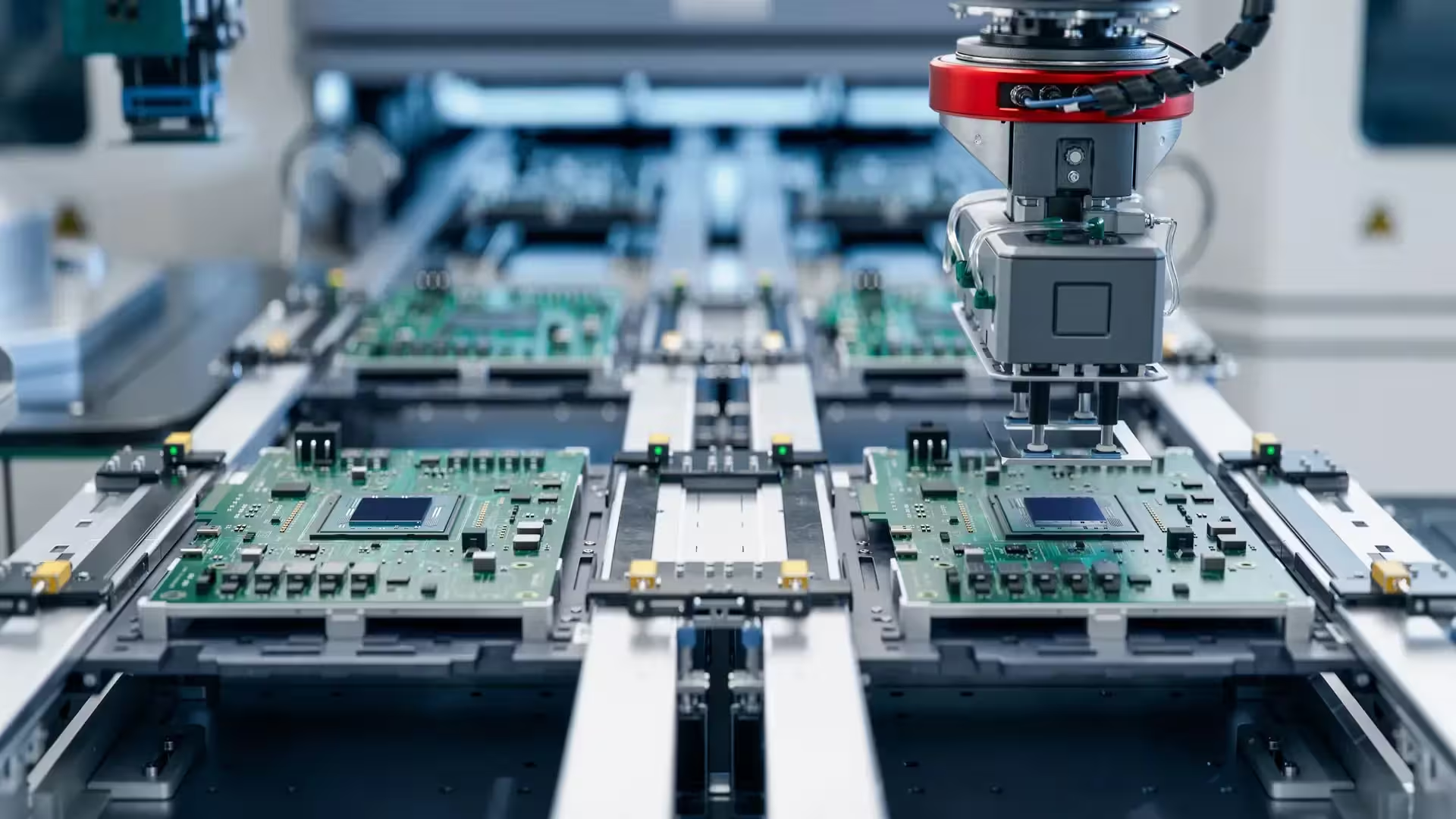
Omini PCB assembly service connects BOM review, component sourcing, SMT, through-hole assembly, BGA inspection, programming, functional test, traceability, and shipment release in one own-factory PCBA path.
PCBA manufacturing evidence before shipment
Omini PCB assembly service connects BOM review, component sourcing, stencil planning, SMT placement, through-hole assembly, BGA or QFN handling, inspection, programming, test, rework control, packing, and delivery. Each step should be scoped before release so quality records match the actual board risk.
A PCBA quote is more reliable when the buyer provides BOM, manufacturer part numbers, approved alternates, centroid data, assembly drawings, polarity notes, fixture access, firmware needs, test requirements, quantity, and acceptance criteria.
- Inspection options include first article checks, AOI, X-Ray or AXI, visual inspection, ICT, flying probe, FCT, and programming when scoped.
- Documentation can include CoC, lot or date-code notes, approved substitute records, test logs, labels, packing records, and traceability evidence.
- Assembly risk depends on package type, density, thermal mass, soldering process, rework limits, and test access.
Engineering support for NPI and repeat assembly
NPI builds need a tighter link between engineering, sourcing, production, and quality. Omini uses DFM, DFA, and DFT review to surface missing placement data, unclear polarity, unavailable parts, MSL handling needs, BGA inspection requirements, and test coverage gaps before the build is locked.
For repeat assembly, the same review history supports controlled changes. Approved alternates, process notes, inspection expectations, functional test criteria, and packing requirements help reduce avoidable variation between orders.
FAQ
How can buyers verify that Omini is a direct-from-factory PCB and PCBA supplier?
Buyers can request factory information, production-floor evidence, engineering review notes, quality records, certificate references, inspection scope, test reports, packing records, and traceability requirements during RFQ. Omini should be evaluated by the evidence attached to the specific build, not by broad marketing claims.
What RFQ files help Omini review a PCB or PCBA project accurately?
A useful RFQ includes Gerber or ODB++ files, drill data, stack-up notes, BOM with manufacturer part numbers, centroid or CPL data, assembly drawings, quantities, target schedule, acceptance criteria, test requirements, compliance needs, and delivery destination.
Which quality controls should be scoped before release?
Common controls include DFM review, incoming material checks, first article inspection, AOI, X-Ray or AXI for hidden joints, ICT, flying probe, FCT, programming, CoC, labels, ESD packing, and traceability records. The right set depends on board risk and customer acceptance criteria.
Why does an own-factory route matter for PCB and PCBA sourcing?
An own-factory route reduces handoff ambiguity because engineering review, fabrication, assembly, inspection, test, documentation, and delivery are connected through one accountable manufacturing path. Buyers can align technical assumptions before the purchase order instead of discovering gaps after production starts.