
Respuesta directa
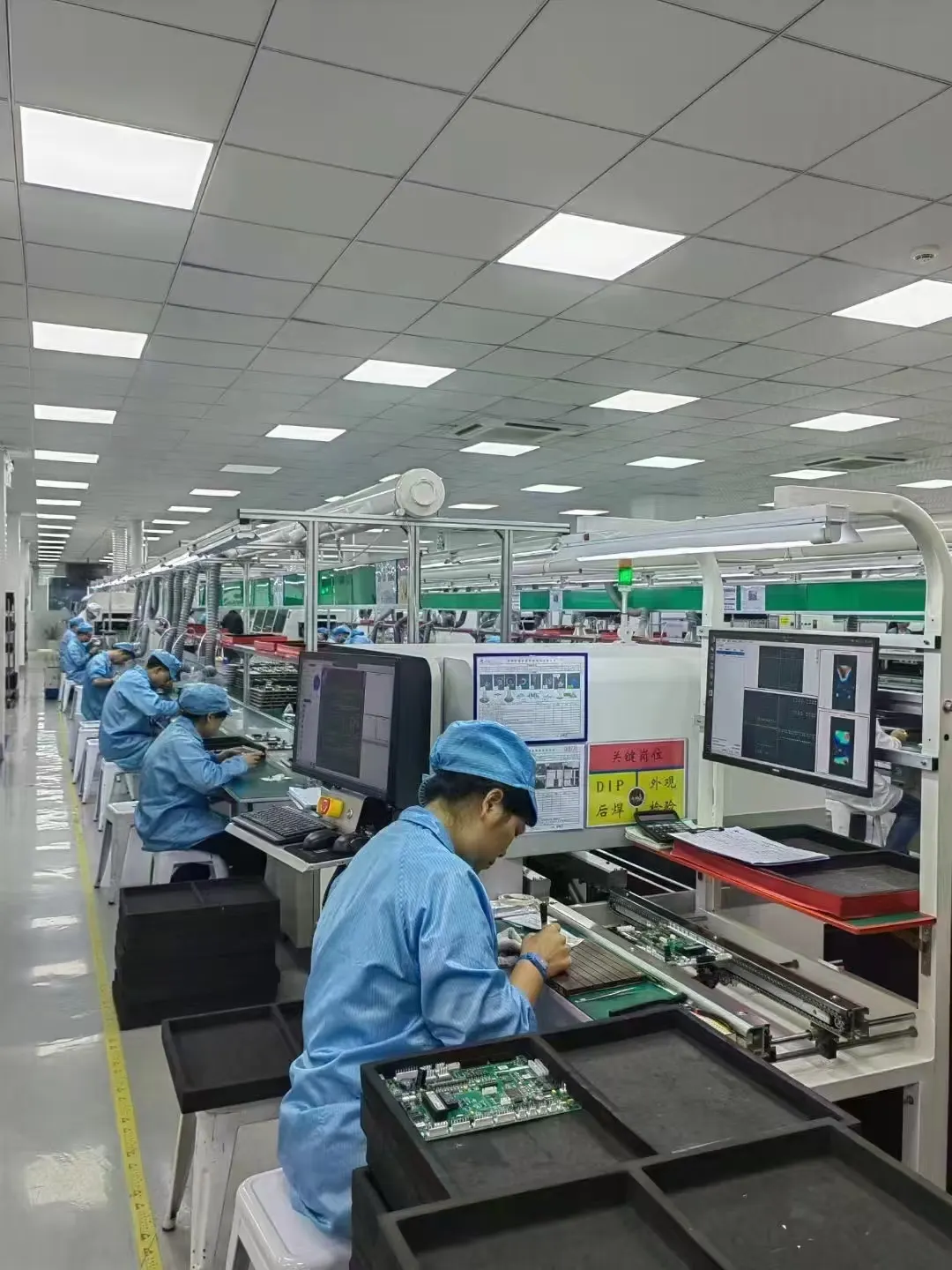
El ensamblaje de productos electrónicos de consumo PCB debe cotizarse en torno al riesgo compacto SMT, el control de costos BOM, el ajuste del gabinete, el firmware o la programación, el alcance de la inspección, el empaque y la transición del prototipo a la construcción de lanzamiento. Una cotización útil indica qué se incluye, qué se excluye y qué sustituciones requieren la aprobación del comprador.
Contexto de ingeniería
Los equipos de electrónica de consumo suelen optimizar la velocidad de lanzamiento y el coste unitario. Esa presión es real, pero no debería ocultar el riesgo de fabricación. Las placas compactas, los circuitos integrados de paso fino, las baterías, los conectores, las pantallas, los LED, las radios y los gabinetes personalizados pueden cambiar la secuencia de ensamblaje, el método de inspección, el acceso a la programación, el embalaje y el control de repetición de construcción.
La página es una guía de revisión RFQ. La seguridad del producto, el etiquetado, el acceso al mercado y la evidencia de cumplimiento del cliente siguen siendo responsabilidades del propietario del producto a menos que la documentación del proyecto publicada los incluya explícitamente.
Notas de revisión respaldadas por fuentes
- IEC 62368-1 es un límite de fuente de seguridad de producto para muchos productos de tecnología de audio, video, información y comunicación. Úselo para separar el cumplimiento a nivel de producto del alcance del ensamblaje PCB.
- IPC los recursos de ensamblaje público admiten la transferencia completa del paquete de compilación, el contexto del proceso de ensamblaje soldado y la revisión de aceptabilidad sin copiar los criterios pagados.
- El contenido existente de OminiPCB proporciona el contexto del flujo de trabajo de fabricación para DFM, BOM revisión, ensamblaje, inspección, prueba y preparación de RFQ.
Restricciones de fabricación
- SMT miniaturizado puede aumentar la sensibilidad de la plantilla, la colocación, el reflujo y el retrabajo.
- La presión de costos puede impulsar sustituciones no aprobadas a menos que BOM nombre los números de pieza y alternativas aprobados del fabricante.
- Las limitaciones de la carcasa, los botones, la pantalla, la batería, el altavoz, el cable y el conector deben estar visibles antes del montaje.
- La programación, la calibración, las etiquetas y el embalaje del firmware pueden convertirse en bloqueadores de inicio tardío si no están en RFQ.
- El alcance de la inspección debe coincidir con el paquete y el riesgo de falla en lugar de limitarse a una verificación visual mínima.
Entradas de cotización
- Gerber o ODB++, perforación, apilado, BOM, centroide, plano de ensamblaje y revisión.
- Restricciones del gabinete, orientación del conector, notas sobre la batería, requisitos de alineación de la pantalla o LED y límites estéticos.
- Artefacto de firmware, método de programación, necesidades de serialización, notas de calibración y criterios de prueba funcional.
- Alternativas aprobadas, preferencias de abastecimiento, expectativas de MOQ, cantidad objetivo, calendario de lanzamiento, embalaje, etiquetas y requisitos de envío.
- AOI, rayos X, primer artículo, ICT, FCT, inspección visual y expectativas de verificación de embalaje.
Tabla de decisiones
| Consumer electronics decision | If it is undefined | What to send |
|---|---|---|
| BOM cost target | Supplier may reduce price with uncontrolled substitutions. | Cost target, approved alternates, blocked substitutions, and lifecycle notes. |
| Enclosure fit | Connectors, LEDs, buttons, or batteries may not align after assembly. | Mechanical constraints, keepouts, connector orientation, and assembly drawing. |
| Firmware and labels | The board may pass SMT but fail launch packaging or setup. | Firmware version, programming method, labels, serialization, and packing rules. |
| Inspection level | Small-package defects may escape if only visual inspection is assumed. | Package risk list and AOI, X-ray, first article, or functional-test scope. |
| Launch quantity | Prototype assumptions may not scale to pilot or repeat builds. | Forecast, pilot quantity, MOQ constraints, test fixture plan, and packaging plan. |
Revisión de ejemplo
Un controlador doméstico inteligente compacto con Wi-Fi, USB-C, LED, un altavoz, carga de batería y una carcasa de plástico no debe cotizarse únicamente en BOM. El RFQ debe incluir restricciones de ajuste del gabinete, alineación del conector y del LED, método de programación del firmware, pasos de prueba de la batería y el cargador, alternativas aprobadas, notas del empaque y la primera cantidad de lanzamiento.
Entradas faltantes comunes
- Límite cosmético: si los LED, botones, pantallas, etiquetas, conectores expuestos o uniones del gabinete son visibles para los usuarios, el plano de ensamblaje debe definir notas de alineación y aceptación.
- Límite del lanzamiento: la cantidad del prototipo, la cantidad del piloto, el embalaje minorista, el etiquetado de la caja y el momento del envío afectan si el proveedor cotiza muestras o una versión de lanzamiento.
- Límite de prueba: indique qué se debe alimentar, programar, calibrar o verificar funcionalmente antes de empacar, especialmente cuando la placa incluye radios, baterías, pantallas o sensores.
- Límite de costos: enumere las sustituciones bloqueadas y las alternativas aprobadas para que la reducción de precios no cambie silenciosamente el ajuste, la seguridad, el comportamiento inalámbrico o los materiales aprobados por el cliente.
Compensaciones
- El precio unitario más bajo puede ser un objetivo equivocado si elimina la inspección, la programación, el embalaje o el control de abastecimiento.
- El abastecimiento llave en mano ayuda cuando se deben revisar juntos el costo de BOM, las alternativas y el momento del lanzamiento.
- La consignación ayuda cuando el comprador ya posee piezas escasas o un inventario aprobado por el cliente.
- Las páginas de electrónica de consumo deben centrarse en la preparación para el lanzamiento y la capacidad de fabricación, no en el marketing genérico de estilo de vida.
CTA
Solicite una cotización PCB cuando el paquete de construcción de electrónica de consumo incluya archivos, restricciones de costos, notas adjuntas, programación, inspección y requisitos de embalaje.