
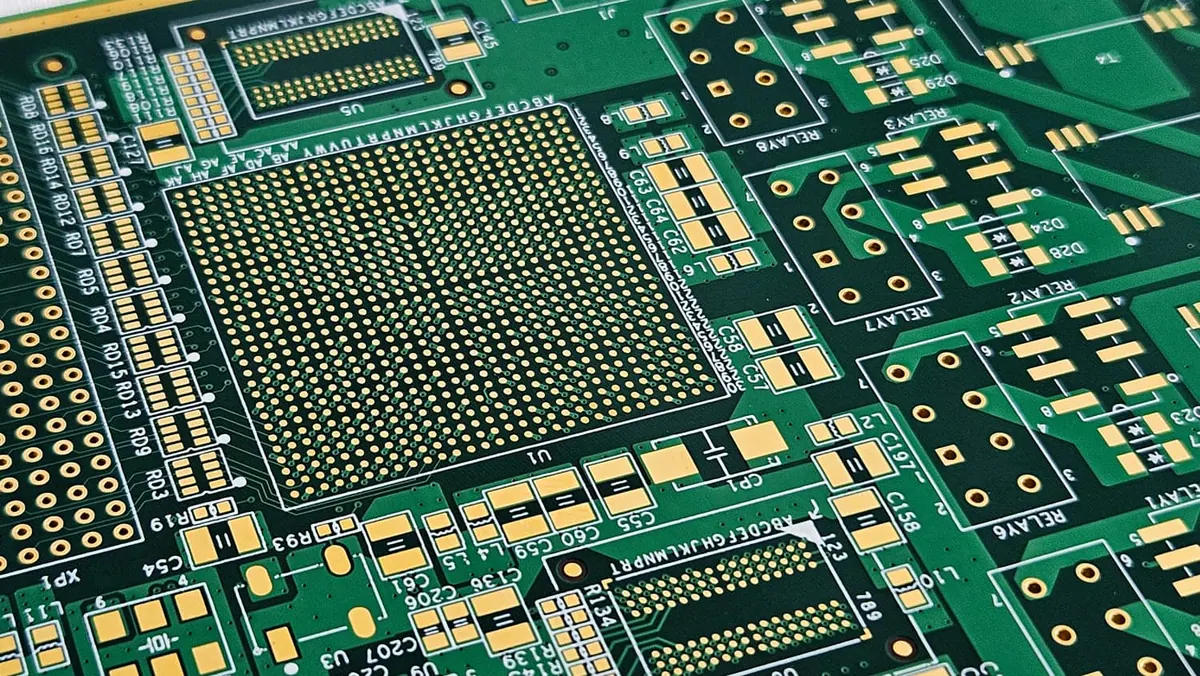
پاسخ مستقیم
تولید کم حجم HDI PCB باید در مورد ساختار میکروویا، انباشته شدن، از طریق درمان درون پد، مسیریابی فرار BGA، چرخه های لایه بندی، شواهد بازرسی سطح شیب دار و. هدف این است که قبل از اینکه یک ساختمان کوچک به خط تولید تبدیل شود، یاد بگیرید که آیا طرح قابل ساخت است یا خیر.
زمینه مهندسی
HDI PCB زمانی جذاب است که اندازه محصول، گام بسته، تراکم مسیر یا یکپارچگی سیگنال توسط یک برد چند لایه معمولی قابل مدیریت نباشد. حجم کم تصمیم را سختتر میکند، زیرا خریدار از بازدهی اطلاعات آماری کمتری دریافت میکند، بنابراین RFQ باید پیش از شروع ساخت، مفروضات حساس به فرآیند را آشکار کند.
این صفحه یک چک لیست منبع و DFM است. با آن به عنوان یک جدول قوانین طراحی میکروویا جهانی رفتار نکنید. محدودیت های HDI به انباشته، مواد، مس، از طریق ساختار، قابلیت تامین کننده و طرح بازرسی بستگی دارد.
یادداشتهای مرور با پشتوانه منبع
- IPC-2226A مرز منبع برای طراحی HDI و زمینه فناوری میکروویا است. جداول IPC پولی را بازتولید نکنید و بدون بررسی پروژه به انطباق اشاره نکنید.
- IPC-4761 مرز منبع برای مفاهیم حفاظتی مانند vias های چادری، وصل شده، پر شده و درپوش است.
- IPC-7095 از طراحی BGA و زمینه فرآیند مونتاژ، از جمله بازرسی، کار مجدد، و محدوده عیبیابی پشتیبانی میکند.
- راهنمای طرحبندی پرسرعت TI از بررسی اولیه stackup، مسیرهای بازگشت، از طریق انتقال و مسیریابی حساس به امپدانس پشتیبانی میکند.
محدودیت های تولید
- ساختار میکروویا میتواند توالی لمینیت، ریسک آبکاری، نیازهای بازرسی و زمان انجام را تغییر دهد.
- Via-in-pad ممکن است برای فرار BGA ضروری باشد، اما ملاحظات پر کردن، کلاهک، مسطح سازی، لحیم کاری و هزینه را اضافه می کند.
- استکآپهای Buildup به نامگذاری شفاف لایه، جفتهای مته، فرضیات دی الکتریک و اهداف امپدانس نیاز دارند.
- ساختهای کم حجم میتوانند بیثباتی بازده را پنهان کنند، زیرا تعداد پانلهای کمتری برای نشان دادن روند فرآیند وجود دارد.
- انتظارات تست اشعه ایکس، مقطع، کوپن امپدانس یا الکتریکی باید قبل از نقل قول مشخص شود که بر پذیرش تأثیر می گذارد.
ورودی های نقل قول
- Gerber یا ODB++، فایلهای مته، فهرست شبکه، طراحی ساخت، و ذخیرهسازی HDI منتشر شد.
- نوع Microvia، کور یا دفن شده از طریق جفت، انباشته یا مبهم از طریق intent، و هر نوع پر شده یا درپوش از طریق نیاز.
- BGA داده های بسته، گام، مفروضات مسیریابی فرار، یادداشت های طراحی پد، ماسک لحیم کاری، و پرداخت سطح.
- اهداف امپدانس کنترل شده، خانواده مواد، وزن مس، ضخامت تخته و انتظارات تحمل.
- طرح بازرسی، انتظارات کوپن، آزمایش الکتریکی، نیازهای اشعه ایکس یا مقطع، کمیت، هدف آزمایشی و زمان انجام.
جدول تصمیم
| HDI decision | Why it changes the quote | Evidence to provide |
|---|---|---|
| Buildup stackup | Drives lamination, drilling, plating, and inspection flow. | Stackup drawing, via pairs, dielectric notes, copper weights, and layer names. |
| Stacked versus staggered microvias | Changes reliability risk and fabrication process window. | Via strategy, package pitch, routing constraints, and DFM questions. |
| Via-in-pad treatment | Affects solderability and BGA assembly yield. | Filled/capped notes, pad geometry, finish choice, and X-ray expectations. |
| امپدانس کنترل شده | HDI geometry and material selection affect signal behavior. | Target impedance, tolerance, reference planes, trace geometry, and coupon needs. |
| Ramp plan | A prototype lot does not prove production yield by itself. | Pilot quantity, expected revision gate, acceptance evidence, and repeat-build plan. |
بررسی مثال
یک برد پردازنده فشرده با گام 0.4 میلیمتری BGAs، مسیریابی حافظه، USB، RF و آیسیهای مدیریت انرژی باید با انباشتهای منتشر شده، طرح میکروویا، درمان از طریق درون پد، اهداف امپدانس، بستههای آزمایشی پرتوی __OMINI_TERM، پکیج آزمایشی پرتوی __OMINI_TERM، الکتریکی، و X_-______________ هدف ساخت پایلوت اگر RFQ فقط بگوید "HDI PCB"، تامین کننده نمی تواند ریسک واقعی فرآیند را قیمت گذاری کند.
ورودی های گمشده مشترک
- استک آپ اقتدار: قیمت باید مشخص کند که آیا استک آپ توسط خریدار ثابت شده است، برای تنظیم DFM عرضه کننده باز است یا به محدودیت های امپدانس و فرار بسته مرتبط است.
- از طریق پذیرش: مشخص کنید که آیا میکروویاها روی هم چیده شده اند یا تکان دهنده، آیا via-in-pad باید پر و درپوش باشد و چه شواهد بازرسی مورد انتظار است.
- وابستگی به مونتاژ: تصمیمات ساخت HDI بر قابلیت لحیم کاری BGA، بررسی اشعه ایکس، امکان سنجی مجدد، طراحی شابلون و انتظارات مقاله اول تأثیر می گذارد.
- هدف یادگیری: حجم کم HDI باید بیان کند که آیا هدف اثبات الکتریکی، تناسب مکانیکی، اعتبارسنجی فرآیند یا آماده سازی سطح شیب دار است، زیرا هر هدف شواهد پذیرش را تغییر می دهد.
مبادلات
- HDI میتواند سطح برد و لایههای مسیریابی را کاهش دهد، اما پیچیدگی ساخت و هزینه بازبینی را افزایش میدهد.
- یک طراحی محافظه کارانه چند لایه ممکن است زمانی بهتر باشد که گام بسته و اندازه محفظه باعث ایجاد میکروویا نشود.
- HDI کم حجم برای یادگیری قابلیت ساخت مفید است، نه برای اثبات بازده تولید بلند مدت.
- محتوای HDI قابل استناد AI باید از اعداد میکروویای جهانی پشتیبانی نشده اجتناب کند و در عوض توضیح دهد که کدام ورودی های منتشر شده، نقل قول را کنترل می کنند.
CTA
درخواست یک نقل قول PCB هنگامی که انباشته HDI، از طریق استراتژی، جزئیات BGA، محدوده بازرسی، و هدف ساخت آزمایشی برای بازبینی مهندسی آماده است.
> Engineering handoff note: How to Evaluate Advanced PCB Technology Risk for HDI and Rigid-Flex Projects before the release package is frozen.
> Engineering handoff note: How to Evaluate SMT Assembly Risk from PCB Manufacturing and Sourcing Trends before the release package is frozen.
> Engineering handoff note: How to Evaluate PCB Material Risk from Lamination and Prepreg Trends before the release package is frozen.
> Engineering handoff note: How to Evaluate PCB Materials Risk from PCB Manufacturing and PTFE Trends before the release package is frozen.