
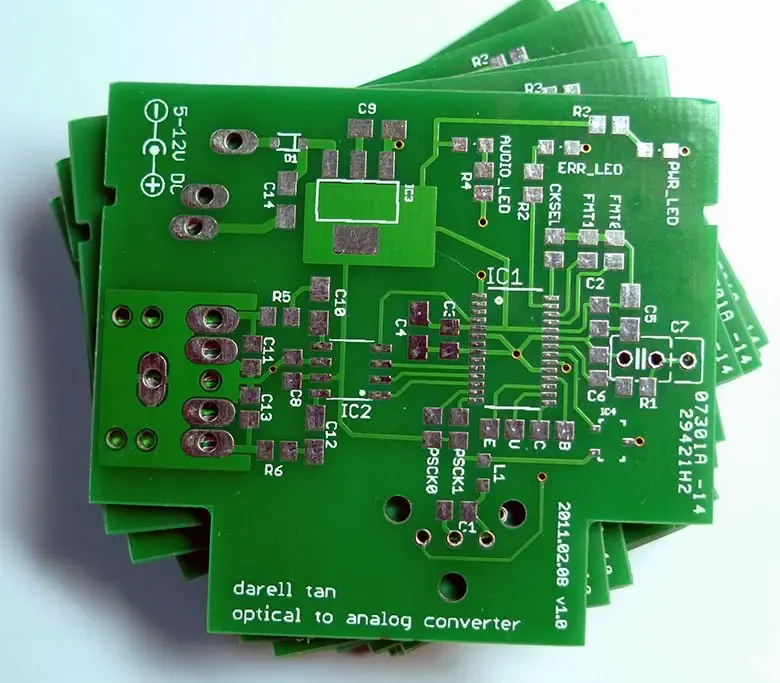
Direct Answer
FR4 is the default rigid PCB laminate family for many digital, control, and moderate-power boards. It is good enough when the design does not need a low-loss RF laminate, a named high-Tg system, or a customer-qualified material stack.
When To Use It
Use FR4 for general rigid PCBs where cost, availability, mechanical strength, and predictable fabrication matter more than specialty electrical loss.
The first-principles check is whether FR4 PCB Material changes a real engineering decision. If the same files, inspection plan, stackup review, and acceptance criteria would be used without it, the entity probably belongs as a note on another page instead of a separate specification line.
Limits
FR4 alone does not define dielectric constant, loss, Tg, Td, CTE, thickness tolerance, or reliability performance.
This page avoids numeric limits unless the value can be tied to the exact standard, material grade, package note, or fabricator capability being used. Treat the reference as a decision boundary, not a substitute for the released fabrication drawing.
Manufacturing Or Assembly Impact
FR4 PCB Material must be visible in the RFQ when it changes CAM review, stackup selection, process flow, inspection depth, soldering risk, or test evidence. The buyer owns design intent and acceptance criteria; the manufacturer owns DFM feedback, process feasibility, and build evidence.
Comparison
Use FR4 for general rigid PCBs where cost, availability, mechanical strength, and predictable fabrication matter more than specialty electrical loss.
The comparison should stay practical: choose the simpler option when it meets the electrical, thermal, assembly, and inspection requirements; choose the more controlled option only when it removes a real build risk.
Example
A six-layer industrial controller can start with FR4 if stackup, copper weight, impedance, and soldering assumptions are reviewed before fabrication.
A useful quote package names the design files, revision, quantity, lead time, stackup or assembly constraints, inspection scope, and any source-controlled requirement. Missing assumptions should be closed before fabrication or assembly starts, because late discovery usually changes cost, schedule, or yield.
Source Notes
- Rigid laminate and prepreg specification boundary - IPC-4101 base materials standard (standard).
Source fact: IPC-4101 is the source boundary for rigid and multilayer printed-board laminate and prepreg specification context. Omini interpretation: Use this to explain why material language should name laminate class, grade, Tg, loss, thickness, and accepted alternatives when those assumptions affect design risk. Allowed usage: Use on FR4, material comparison, stackup, and laminate-related pSEO pages.
- Grade-specific FR4 example - Isola FR406 laminate and prepreg (manufacturer).
Source fact: Isola FR406 is a manufacturer-specific laminate and prepreg example showing that FR4-class materials are grade-specific products. Omini interpretation: Use this to explain why generic FR4 is not enough when Tg, dielectric behavior, loss, thickness tolerance, or approved material lists matter. Allowed usage: Use on FR4 entity, FR4 questions, and material comparison pages.
- Existing OminiPCB repository content (internal): May seed structure and internal links; engineering claims still need external verification when specifications are involved.
Practical notes on this page are manufacturing review guidance. They should not be read as copied standard text, datasheet tables, certification claims, or legal advice.
CTA
Request a PCB quote when Gerber, stackup, BOM, quantity, lead time, and inspection requirements are ready for engineering review.