
Direct Answer
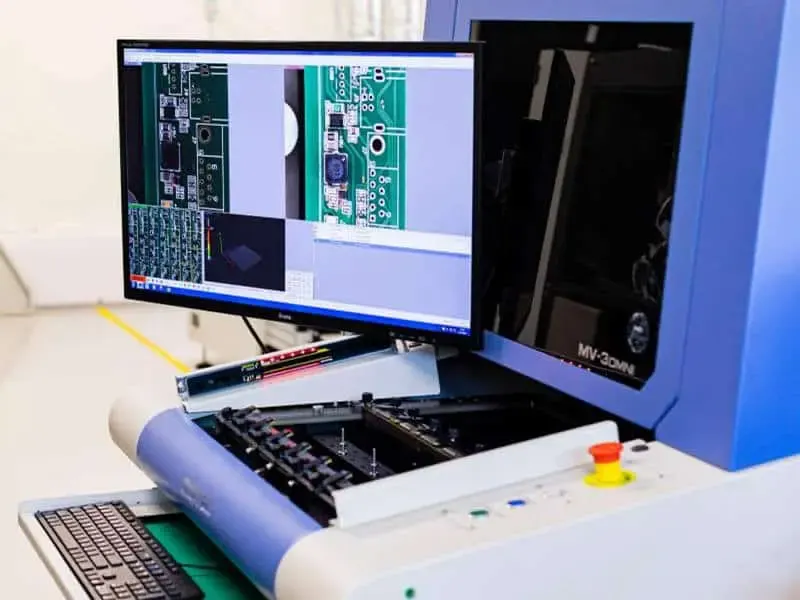
AOI and X-Ray inspection reduce different PCBA risks. AOI checks visible placement and solder defects, while X-Ray checks hidden joints under BGA, CSP, QFN, and bottom-terminated components.
Inspection Scope
AOI detects missing components, wrong polarity, solder bridges, tombstoning, and insufficient visible solder. X-Ray detects voiding, hidden bridges, opens, and head-in-pillow risk under packages that cameras cannot inspect. Use the PCB Assembly Yield Calculator to translate solder joint DPPM assumptions into first-pass yield, rework load, and escape-risk scenarios before volume production.
For a direct inspection-scope decision, use AOI vs X-Ray PCB Assembly Inspection to separate visible-defect coverage from hidden-joint review before RFQ. When the quote also needs ICT, programming, or FCT evidence, define the full SMT inspection and testing scope for a PCBA quote before comparing suppliers.