
Direct Answer
Fast turn printed circuit board assembly isn’t just about speed—it’s about reducing the friction between idea and validation. When you can get a fully assembled PCBA in hand within 48 hours instead of four weeks, you compress the learning cycle. This lets engineering teams test functionality, verify fit, and catch design flaws early—before committing to tooling or volume orders. For businesses launching new products or iterating on existing designs, this agility translates directly to faster revenue recognition and lower development risk.
Omini supports this workflow as an EMS partner by aligning our prototyping lines with rapid sourcing and DFM feedback loops. We don’t just assemble fast—we ensure the first article is inspectable, testable, and representative of what will scale.
Why Speed Matters in Early-Stage Development
In hardware development, time is the most expensive resource. Every day spent waiting for a prototype delays feedback from users, investors, or manufacturing teams. Fast turn PCB assembly changes that dynamic. Instead of waiting for a standard 2-4 week lead time, teams receive assemblies in 24-72 hours. This enables multiple design iterations within a single month—something impossible with traditional timelines.
Consider a medical device startup validating a wearable sensor. With standard lead times, they might get one prototype per month. With fast turn, they can test three variants in two weeks—comparing sensor placement, power, and connector types of costly late-stage redesign.
Fast turn also reduces inventory risk. Instead of guessing which BGA footprint will solder reliably, they assemble and X-ray three options in under a week. This data-driven approach reduces the chance of respins and improves first-pass yield in volume production.
The key is that speed doesn’t mean skipping steps. At Omini, fast turn orders still undergo Gerber and BOM review, stencil optimization, and first-article inspection. We parallelize processes—sourcing components while panels are fabricated—to compress the timeline without cutting corners.
How Fast Turn Assembly Integrates with Turnkey Services
Fast turn doesn’t work in isolation. It thrives when embedded in a turnkey model where the EMS provider handles procurement, assembly, and testing. When you outsource sourcing to a partner like Omini, you eliminate the delay of coordinating multiple vendors. Our team monitors global allocations, approves alternates, and manages kitting—all while the SMT line is primed and ready.
This is especially valuable during component shortages. For example, if a primary MCU is on allocation, we can qualify and source an alternate within 24 hours using our vetted distributor network. Because we control both procurement and assembly, we can swap components and re-run a fast turn build the same day—something nearly impossible with a fragmented supply chain.
Turnkey fast turn also simplifies logistics. Instead of managing separate shipments for bare boards, components, and assembly, you receive a single, fully tested PCBA package. This reduces handling errors and gives you a clean baseline for functional testing.
DFM and Quality Controls in Rapid Prototyping
Speed without quality creates rework—and rework kills timelines. That’s why fast turn assembly at Omini includes mandatory DFM checks. Our engineers review solder mask clearance, via-in-pad placement, and thermal relief patterns before any solder paste is printed. We flag issues like tombstoning risk on 0201s or insufficient clearance under BGA arrays—problems that might not surface until assembly but are costly to fix later.
On the line, we use AOI and SPI as standard, even for prototype runs. First-article inspection includes visual checks, solder joint sampling, and, when requested, X-ray for BGA or QFN packages. We also offer optional ICT or functional test development for fast turn orders—so you’re not just getting a board that looks good, but one that behaves as expected.
These controls aren’t bottlenecks; they’re enablers. By catching issues early, we prevent the scenario where a fast turn board passes visual inspection but fails in the field—leading to wasted time debugging hardware instead of software.
Real-World Scenarios Where Fast Turn Delivers Value
Fast turn isn’t just for startups. Established companies use it for engineering changes, aftermarket support, and market testing. Imagine a consumer electronics brand needing to update a PCB due to a component obsolescence notice. With fast turn, they can build and test a revised assembly in 72 hours, validate it against the existing enclosure, and decide whether to proceed with a running change—all before the current inventory runs out.
Another use case is low-volume, high-mix production. A defense contractor might need five different radar PCB variants for field trials. Instead of setting up five separate production runs, they use fast turn to build one of each variant in parallel, test them under identical conditions, and select the best performer for limited production.
We also see fast turn used in conjunction with our guide on Common Challenges in SMT Circuit Board Assembly and Solutions. Teams reference it to anticipate issues like solder bridging or component shift—then work with us to adjust stencil design or reflow profiles during the fast turn build.
Balancing Speed, Cost, and Reliability
Fast turn typically carries a premium per unit compared to standard lead time assembly. But the trade-off isn’t just cost—it’s opportunity cost. The value of learning three weeks earlier often exceeds the price difference. That said, we help customers optimize where possible.
Panelization, for example, can reduce per-board costs even in fast turn. We’ll suggest combining multiple designs on a single panel if they share layers and thickness—maximizing panel utilization without compromising turnaround. Similarly, we advise on BOM consolidation: using the same resistor or capacitor across multiple sections reduces line changeovers and improves efficiency.
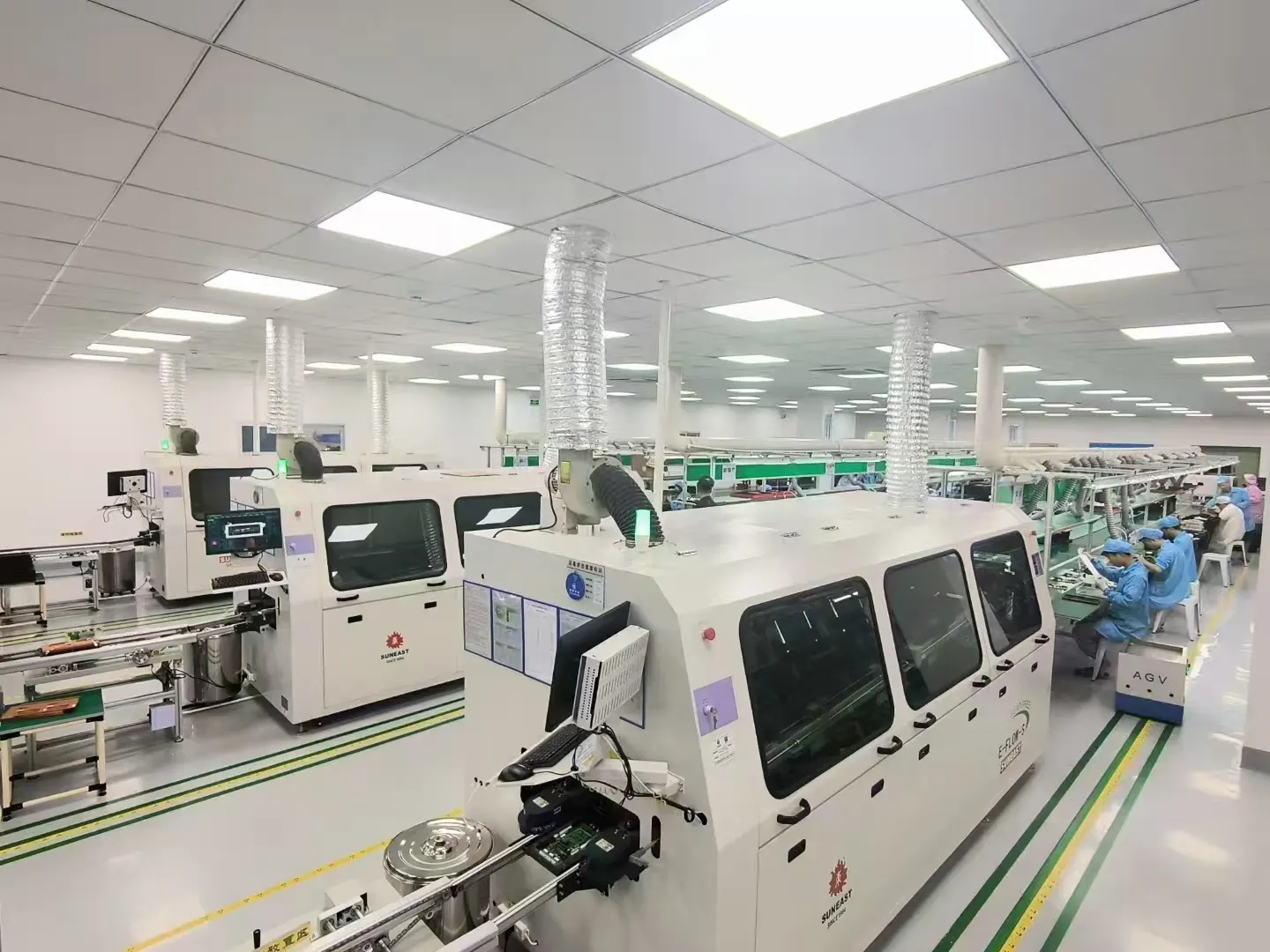
Reliability isn’t sacrificed—it’s engineered in. Our fast turn lines use the same solder paste, reflow ovens, and inspection equipment as our volume production. The difference is scheduling, not process integrity. We maintain traceability for every lot, even in prototype builds, so if a field issue arises, we can tie it back to materials and process parameters.
Choosing the Right Partner for Fast Turn PCBA
Not all EMS providers offer true fast turn. Some advertise 24-hour turns but outsource assembly or lack in-house SMT capability. Look for partners with dedicated prototyping lines, local component buffering, and engineers who participate in DFM review. At Omini, our fast turn team is separate from volume production but shares the same quality system—ensuring consistency without bottlenecking either stream.
We also recommend reviewing our guide on BOM Risk Strategy for Turnkey PCB Assembly to understand how we manage allocation risk during fast turn builds. Knowing your partner has a plan for alternates and qualified suppliers reduces anxiety when timelines are tight.
Finally, consider long-term alignment. A partner who excels at fast turn prototyping should also be capable of scaling to volume production. This avoids the risk of redesign or re-qualification when moving from validation to launch. Ask about their experience with similar projects, their yield data on first articles, and their ability to provide process documentation for transfer.
Practical Steps to Get Started
If you’re evaluating fast turn PCB assembly for your next project, begin with a clear goal: Are you validating function, testing fit, or preparing for a trade show demo? This determines the level of test coverage and documentation you need.
Next, prepare your Gerbers and BOM with revision control and clear notes. Include any special requirements—like conformal coating, selective soldering, or specific test points—upfront. The more complete your package, the faster we can turn it around.
Engage early. Share your timeline constraints and risk tolerance. We’ll respond with a feasible schedule, DFM feedback, and a sourcing plan—often within the same business day. This collaborative approach is what turns fast turn from a speed trick into a strategic advantage.
For teams new to outsourcing prototyping, our article on Essential Tips for Finding a Trusted PCB Assembly Manufacturer in China outlines what to look for in a partner—from communication responsiveness to quality system maturity.
And if you’re using consignment models, review Common Mistakes to Avoid in Consignment PCB Assembly to prevent delays caused by incomplete kits or unclear documentation.
Fast turn PCB assembly isn’t a magic bullet—but when paired with the right partner, process discipline, and clear goals, it becomes one of the most effective tools in the hardware development toolkit. The companies that win aren’t always the ones with the biggest budgets—they’re the ones that learn fastest. Fast turn gives you the clock speed to stay ahead.